ICS2 Method
From operational chaos to an organised, profitable restaurant
Every success story starts from a different situation. The ICS2 method identifies what’s holding the business back, builds a practical solution and turns it into a system the team can sustain.


The ICS2 transformation process
Understand what’s happening, where and why
Define solutions that fit the reality of the business
Implement, monitor and improve with the team
The following case studies show what happens when a specific situation becomes the starting point for a system with measurable results
Results from real projects
Consultancy success stories for restaurants
Every result starts with a specific operational challenge. Here you can see what was achieved and expand each case to understand which areas we worked on.
From 40% to 24% food cost in six months
The restaurant cut its actual food cost percentage by sixteen percentage points, bringing it within one point of the theoretical food cost calculated from its recipes.
See the full project details
Starting point
Recipe costings put theoretical food cost at 23%, but actual ingredient consumption reached 40% of sales. The seventeen-percentage-point gap indicated margin losses between purchasing, production and sales.
What we worked on
We reviewed recipe costings, portion weights, waste, losses, purchase prices, supplier terms, menu structure and kitchen organisation. The menu was restructured using menu engineering and profitability criteria.
Impact
Actual food cost settled at approximately 24%. Recipe costing became an effective tool for production, control and protecting margin.
7% more profit despite 8% less revenue
With fewer people visiting the area, the restaurant protected its margin, limited the decline in revenue and increased its final profit.
See the full project details
Starting point
Footfall in the area had fallen by approximately 12%. The restaurant couldn’t control the market, but it could control the margin generated by each sale and its cost structure.
What we worked on
We analysed purchasing, expenses, recipe costings and contribution margins. Prices and the menu offering were reviewed using multi-criteria analysis matrices, menu engineering, neuroselling and financial targets.
Impact
Revenue fell by approximately 8%, expenses dropped by 12% and profit increased by 7%. Every euro of revenue contributed more to the bottom line.
From €18 to €22 average spend per guest
The new menu structure made the burger the starting point for a more complete, more profitable order with greater culinary appeal.
See the full project details
Starting point
Burgers accounted for a large share of sales, but the menu generated few add-on orders. Guests ordered few starters and almost no desserts.
What we worked on
We reviewed recipe costings, portion weights, side dishes and supplier prices. The menu moved towards a burger and tapas concept, with more refined presentation and an ordering journey designed to encourage cross-selling.
Impact
Food costs fell by approximately one euro for each of the 15,000 burgers sold. With 25,000 guests per year, the additional four euros in average spend represented around €100,000 more in revenue.
From a pre-booked set menu to sharing plates
The new format increased guest numbers and average spend while reducing food costs per guest.
See the full project details
Starting point
The tasting menu required advance booking and limited walk-ins during the late afternoon and evening. Evening guests wanted to eat less and have more freedom to choose.
What we worked on
Dishes from the set menu were adapted into smaller sharing portions. We built a menu using storytelling, neuroselling and a structure that made it easier to choose and combine different dishes.
Impact
Guest numbers rose from 30–50 to 60–70 per service. Average spend increased from €38 to €40, while food cost per guest fell from €9–12 to €6–8.
€19,000 saved annually by changing an overlooked process
Approving an equivalent product reduced purchasing costs and freed up hundreds of production hours.
See the full project details
Starting point
The pizzeria bought mozzarella in blocks and grated it in-house. The process took up 29 working days a year, alongside a higher purchase cost than necessary.
What we worked on
We compared suppliers, formats and samples until a grated mozzarella of equivalent quality was approved. We then negotiated volume pricing.
Impact
A reduction of €2.50 to €3 per kilogram generated approximately €16,000 in purchasing savings and €3,000 in labour cost savings. It also freed up 232 hours of production time.
From outsourced preparation to serving 90 set menus with their own produce
The new system increased service capacity, ingredient yield and team autonomy.
See the full project details
Starting point
The restaurant raised its own livestock, grew vegetables and made cheese, but outsourced food preparation. Its produce lasted only half the season, and services of 60–70 guests created pressure, waste and coordination problems.
What we worked on
We implemented a method based on recipe costings, yields, portion weights, recipes, work sheets, a production cycle and mise en place planned around bookings. The team was trained to put it into practice.
Impact
Their own production covered the whole season, and the kitchen served 90 set menus with just 2–3 cooks. The business improved its margin, use of produce, consistency, autonomy and guest satisfaction.
From running out of sourdough starter to delegating with exact quantities
The system turned orders into a production plan the team could follow, without shortages or last-minute calculations.
See the full project details
Starting point
Orders and fluctuating volumes made forecasting difficult. The team didn’t know which doughs to prepare, in what quantities or how much sourdough starter to keep for the following day.
What we worked on
We analysed orders, dough batches, preparation and workflows. We created a program that translated demand into exact requirements for dough, batches and sourdough starter.
Impact
The data became clear work sheets. The bakery eliminated stock shortages, matched production to demand, improved efficiency and reduced its operational reliance on the baker and owner.
From a bottleneck to paellas available throughout service
Standardisation enabled the whole team to prepare paellas with consistent flavour and perfectly matched cooking, without tying up the burners.
See the full project details
Starting point
The kitchen had only two burners, and only the lead cook had fully mastered the rice dishes. Several simultaneous orders caused delays, inconsistent results and periods when the front-of-house team stopped offering them.
What we worked on
We introduced a system of partially prepared rice dishes with defined ratios of sofrito, prepared base ingredients and stock. Reheating and finishing stages were standardised, and the whole team was trained.
Impact
Each paella needed approximately one minute on the burner and eight minutes in the oven. The bottleneck was removed, protecting sales of one of the menu’s most popular, highest-margin dishes.
Case studies based on real consultancy projects. Figures have been rounded or adjusted to preserve the confidentiality of the establishments. Results depend on the starting point, business volume and extent of implementation.
Client experiences
Testimonials from restaurant consultancy projects
Every project starts from a different situation. These are the experiences of clients who have worked with Sistemics2 to bring order, develop more professional ways of working and put improvements into practice in their businesses.
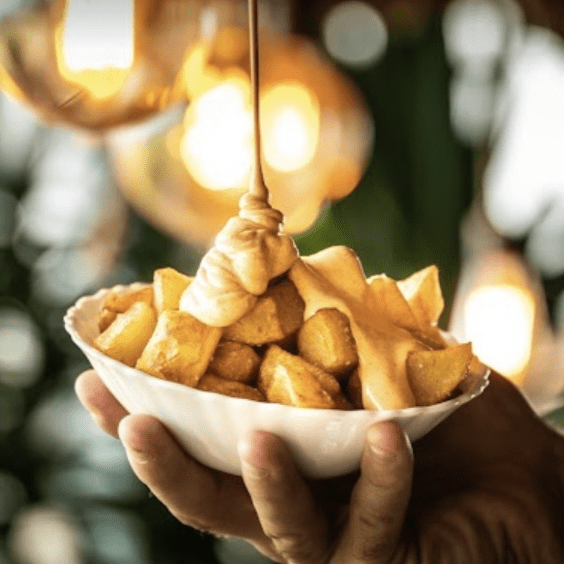
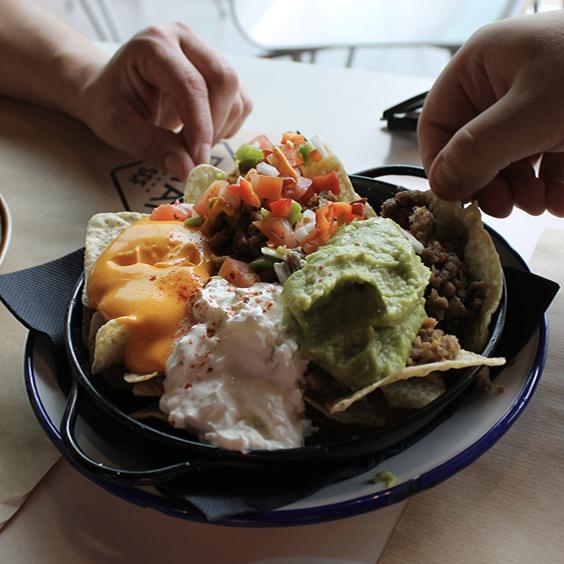
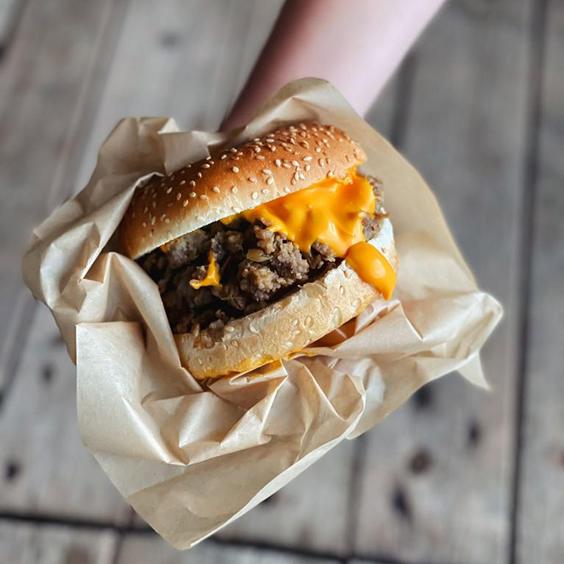
Restaurants · Processes and improvement

EL TAP
Ferran Sureda Fita
Working with Bru has been a very rewarding experience. When both sides share the same drive to get things done, good results always follow. His approach, professionalism and availability make it very easy to move forward and improve.www.eltap.cat
Patisserie · Recipe costing and classification
Trias Pastissers
Quim Trias Tolosa
Preparing the recipe costings involved a substantial amount of work listing and classifying all our products: the items we sell, raw materials, packaging, cleaning products, machinery, utensils and accessories used throughout production and sales, as well as our suppliers.www.triaspastissers.com
Culinary project · Professional development

Formatgeria del Montseny
Sílvia and Jordi
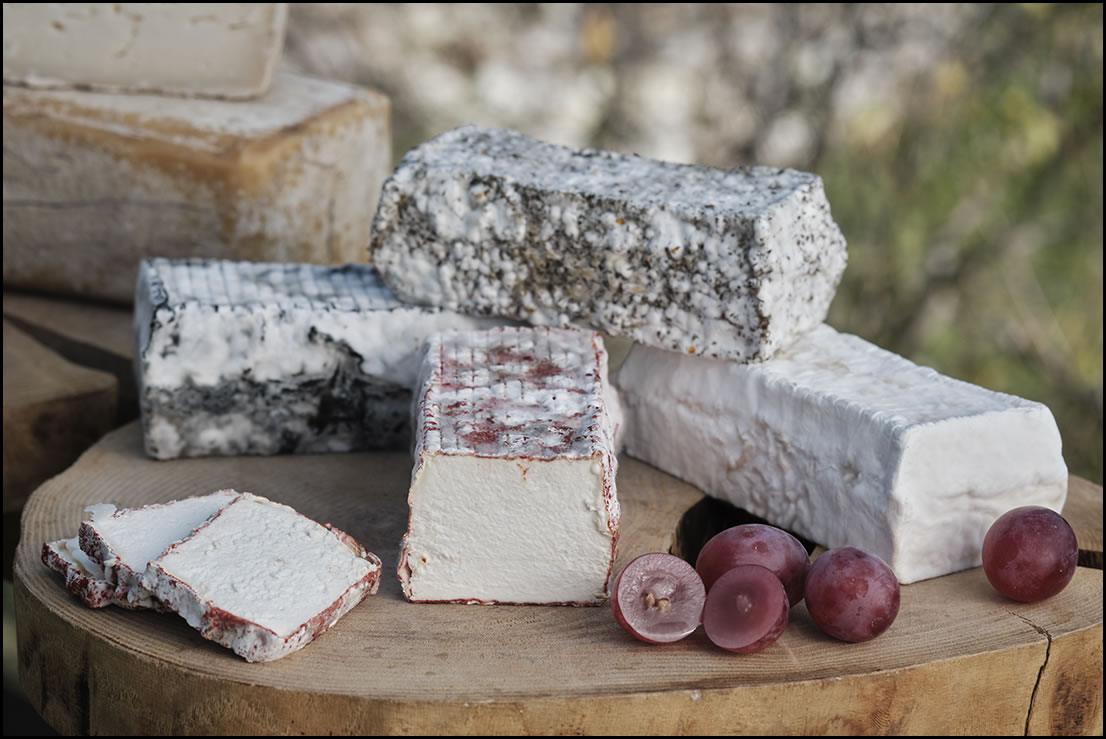
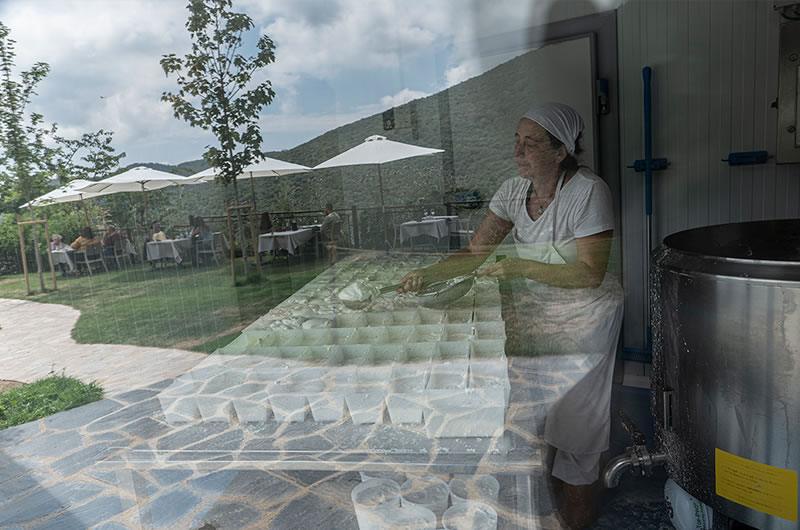
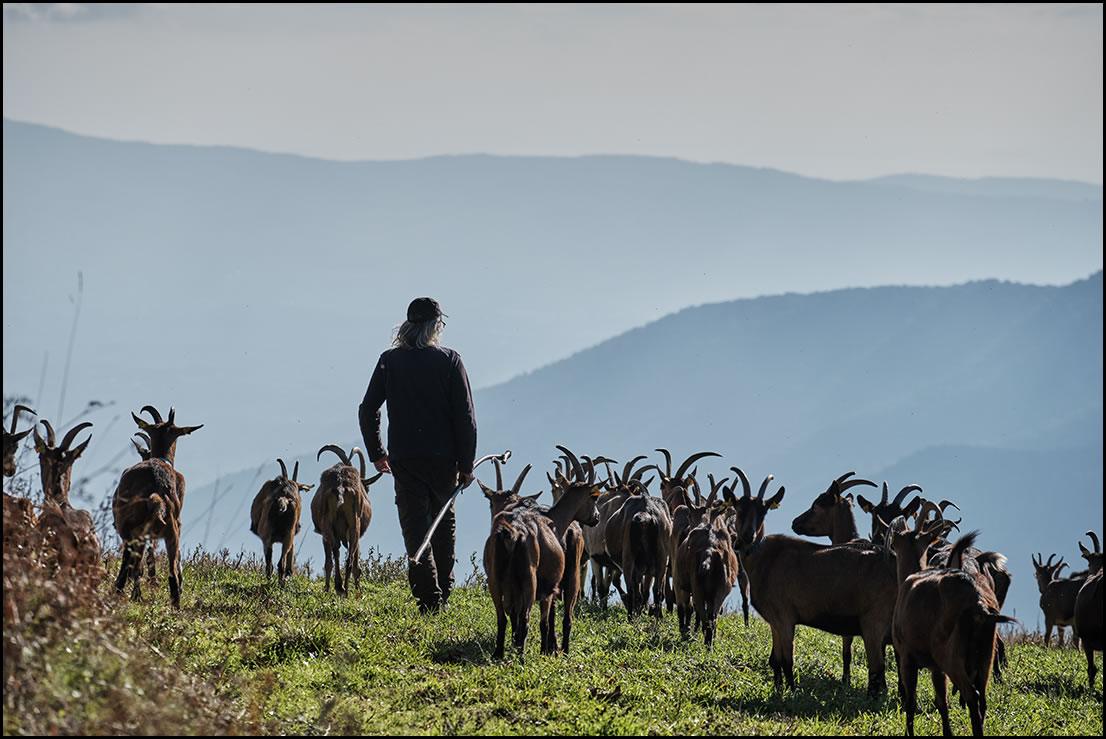
The advice we received from Bru throughout the 2024 season helped us build on the work we had done since starting out in 2008. We were able to professionalise areas where we were falling short and assess every part of the business to tackle the challenges the project faced. With Bru, we achieved our best results and felt supported throughout the changes needed to improve the project’s viability.www.formatgeriadelmontseny.com


Tourism dining · Implementation

Camping del Mar
Mònica Estalayo
It has been a real pleasure to have Bru’s advice and support. He helped us identify where we could improve and worked alongside us every step of the way to put those improvements into practice.www.campingdelmar.com
The next step
What result do you need to achieve now?
Margin slipping away, processes that depend on one person, a menu that underperforms or a team that still lacks a shared approach. Choose the starting point that fits where your restaurant is today.
Get in touch
Have a specific problem?
Tell us what’s happening, what you’ve tried and what result you need. We’ll assess whether Sistemics2 is the right fit for your situation and where best to start.
Tell me your story360° Consultancy
Want to see how we work?
Explore the phases of our 360° Consultancy and how we apply the ICS2 method to investigate, construct and systematise each project.
Explore 360° ConsultancyPrefer to start with a figure from your business? Calculate your food cost